
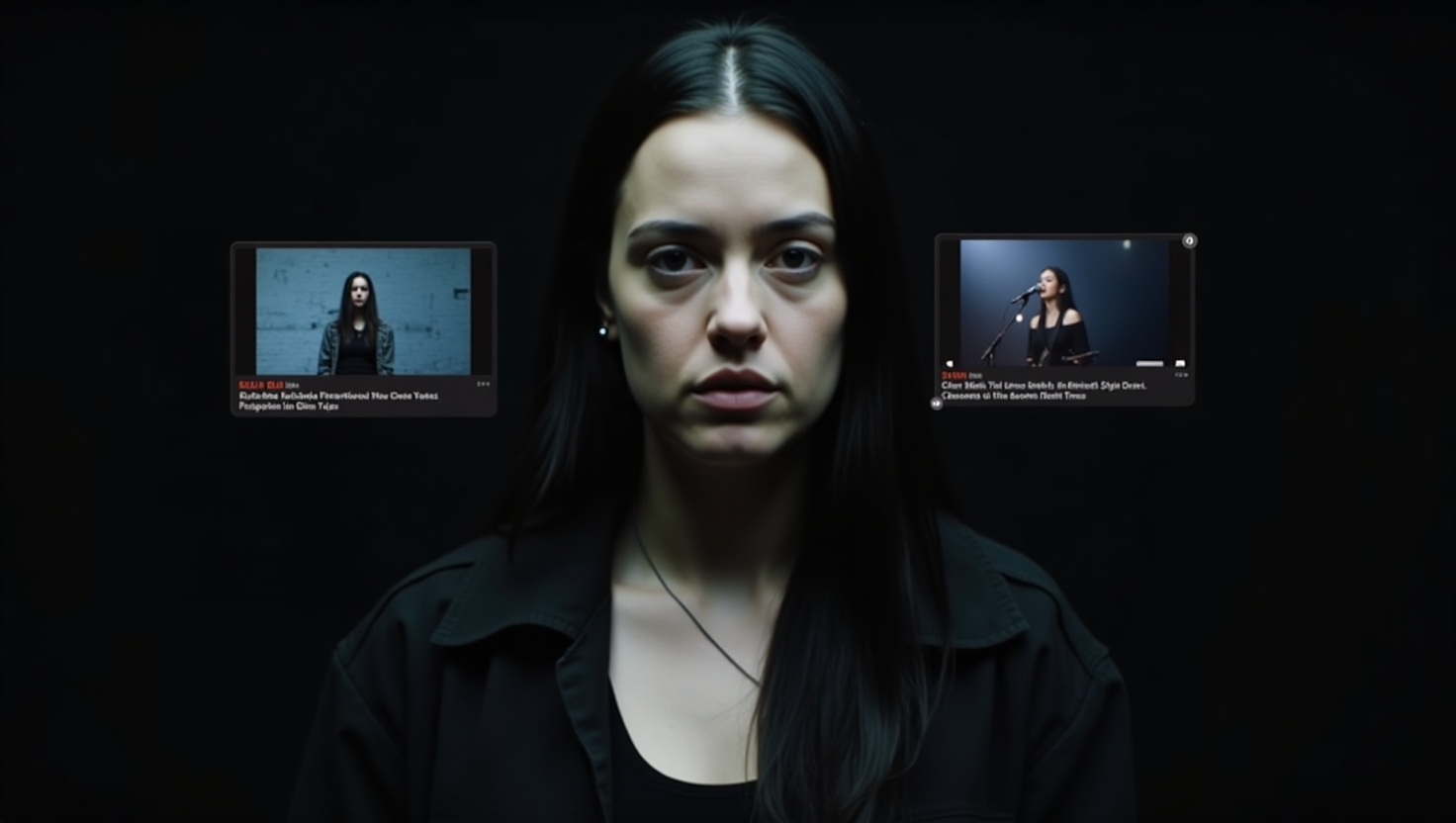
The Billie Eilish When the Party Lyrics Meaning centres on one of the hardest emotional decisions we can make: recognising that caring about somebody does not necessarily mean we should remain with them. The song’s full title is “when the party’s over”, and beneath its extraordinary vocal arrangement lies a remarkably restrained examination of separation, emotional exhaustion and self-preservation.
Written and produced by Billie’s brother Finneas O’Connell, the song was released in 2018 and later appeared on her 2019 debut studio album When We All Fall Asleep, Where Do We Go? It was released through Darkroom and Interscope Records, with Darkroom Records providing the most useful label tag for indexing purposes.
Billie Eilish is not a conventional stage name. Her full name is Billie Eilish Pirate Baird O’Connell. More background on her life and career can be found in this Billie Eilish biography.
Billie Eilish When the Party Lyrics Meaning
What I find particularly effective about “when the party’s over” is that it doesn’t present separation as a dramatic battle between two people. There is no triumphant escape or furious condemnation. Instead, we hear someone who appears emotionally drained and has reached the point where distance seems healthier than continuing.
The Billie Eilish When the Partys Over song interpretation is therefore about knowing when to withdraw, even when feelings remain.
That distinction matters. Sometimes relationships end because love disappears. At other times, affection remains but the relationship itself no longer works.
Knowing When Enough Is Enough
The narrator seems aware that continued closeness may hurt both people. Rather than assigning blame, she acknowledges her own capacity to cause pain and attempts to create distance.
That introduces one of the song’s strongest themes: letting go of a damaging relationship can be an act of self-preservation rather than rejection.
I think that is why the song connects so easily with listeners. Many people will recognise the experience of knowing something should end while emotionally wishing that it didn’t have to.
There is a valuable Life Lesson in Song here. Walking away does not always mean you stopped caring. Sometimes it means accepting that caring isn’t enough.
Silence Can Say More Than Anger
The emotional distance and heartbreak in When the Partys Over are reinforced by the music.
Billie’s voice is initially accompanied by little more than piano, leaving enormous amounts of space around the vocal. Instead of hiding vulnerability behind instrumentation, the arrangement exposes it.
Her layered harmonies gradually transform that fragile voice into something almost choral. Yet even when the arrangement grows, it never loses its feeling of isolation.
As a fan, this is one of the things I admire most about Eilish’s music. She doesn’t need to overpower the listener to communicate intensity. Sometimes the quietest performance carries the greatest emotional weight.
That approach also appears in idontwannabeyouanymore, where restrained vocals reinforce feelings of insecurity and self-rejection.
Loneliness Is Sometimes the Healthier Choice
One of the uncomfortable truths behind the song is that doing the right thing can still hurt.
Leaving a difficult relationship doesn’t instantly create happiness. It can produce silence, loneliness and second thoughts. The song doesn’t pretend otherwise.
The loneliness and emotional boundaries in Billie Eilish song become inseparable. Creating a boundary may protect you, but protection sometimes comes at the price of temporary isolation.
That is where I think the song becomes more mature than a straightforward break-up anthem.
Emotional Boundaries Are Not Cruel
There is a temptation to regard withdrawing from someone as inherently selfish. “when the party’s over” challenges that assumption.
If two people repeatedly hurt one another, continuing the relationship simply because separation feels painful may achieve nothing. Recognising that reality requires a different sort of courage.
The song’s title works beautifully as a metaphor. A party is temporary. Eventually the music stops, people leave and what seemed vibrant becomes quiet.
Relationships can experience a similar moment.
The challenge is recognising when that moment has arrived.
Eilish explores another kind of emotional dependence in Everything I Wanted. There, the darkness is counterbalanced by the security of her relationship with Finneas. Here, reassurance is replaced by the acceptance that distance may be necessary.
Frequently Asked Question
When the Party Really Is Over
The Billie Eilish When the Party Lyrics Meaning ultimately comes down to acceptance.
The song doesn’t celebrate the end of a relationship. Nor does it suggest that walking away immediately solves everything. Instead, it captures that strange emotional territory where you can miss somebody and still understand that separation is the better choice.
That is why the sadness never feels entirely hopeless to me.
There is strength hidden inside the vulnerability.
Recognising an unhealthy situation, establishing boundaries and accepting the resulting loneliness can all be painful. Yet they can also represent the beginning of recovery.
“When the party’s over” understands something that many of us only learn through experience: sometimes letting go isn’t giving up — it’s knowing when staying will hurt more than leaving.
“Lyrics don’t just tell stories — they sneak truths in through the side door of your mind.”
Stephenism
🎵 Soul from the Solo Blogger — Tunes from Túrail.