Waylon Jennings
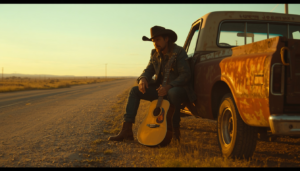
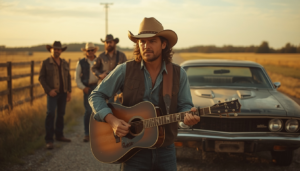
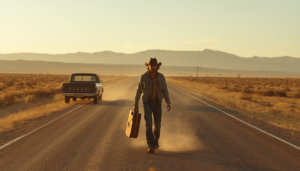
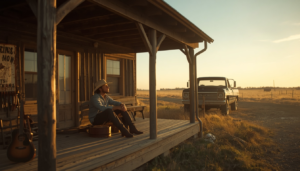
Waylon Jennings was one of the defining voices of outlaw country music, blending rugged authenticity with a rebellious spirit that helped reshape country music during the 1970s. Born Waylon Arnold Jennings on June 15, 1937, in Littlefield, Texas, he became known for his deep baritone voice, stripped-back sound, and refusal to conform to Nashville’s polished production system.
Before achieving fame, Waylon Jennings worked as a radio DJ and musician in Texas. His career took a tragic turn early on when he briefly performed with Buddy Holly. Jennings famously gave up his seat on the ill-fated plane that crashed in 1959, killing Holly, Ritchie Valens, and The Big Bopper. That experience haunted him for years and became part of the mythology surrounding Waylon Jennings.
Signed to RCA Records, Waylon Jennings rose to prominence through albums such as Honky Tonk Heroes, Dreaming My Dreams, and Are You Ready for the Country. His music combined traditional country storytelling with rock influences, helping to create the outlaw country movement alongside artists like Willie Nelson, Jessi Colter, and Tompall Glaser.
The Outlaw Legacy of Waylon Jennings
Waylon Jennings achieved enormous commercial and critical success throughout his career. He earned multiple Grammy Awards and Country Music Association honours, while also becoming a member of the Country Music Hall of Fame in 2001. Songs such as Luckenbach, Texas, Mammas Don’t Let Your Babies Grow Up to Be Cowboys, and I’m a Ramblin’ Man became enduring country classics.
One of the reasons Waylon Jennings remains so influential is his authenticity. He rejected overproduced arrangements and insisted on creative control over his recordings, something unusual in Nashville at the time. That independence resonated deeply with listeners who valued honesty over polish.
Beyond his solo work, Waylon Jennings was also part of the supergroup The Highwaymen, alongside Willie Nelson, Johnny Cash, and Kris Kristofferson. Together, they represented a golden era of country music rooted in storytelling, freedom, and individuality.
Even decades later, Waylon Jennings continues to symbolise musical independence and the enduring appeal of outlaw country.
The Waylon Jennings Me and Bobby McGee Lyrics Meaning explores the fragile balance between freedom and companionship, revealing how life’s most liberating journeys can also leave behind the deepest sense of loss.
The Waylon Jennings Theme from The Dukes of Hazzard Lyrics Meaning captures a world where rebellion feels natural, freedom comes with a grin, and being an outlaw is less about breaking rules and more about living by your own.
The Waylon Jennings Im a Ramblin Man Lyrics Meaning reveals a life shaped by movement and honesty, where freedom defines identity even when it comes at the cost of connection.
The Waylon Jennings Luckenbach Texas Lyrics Meaning reveals a quiet longing for simplicity, where stepping away from life’s noise becomes the truest path to freedom.