Progressive Rock / Art Rock
The Progressive Rock / Art Rock category explores one of the most ambitious and intellectually driven movements in modern music. Emerging in the late 1960s and flourishing throughout the 1970s, Progressive Rock / Art Rock pushed beyond the limitations of traditional song structures, embracing complexity, experimentation, and artistic expression on a grand scale.
At its core, Progressive Rock / Art Rock is about expansion — of sound, of storytelling, and of musical possibility. Artists in this genre moved away from simple verse-chorus formats and instead created extended compositions, concept albums, and intricate arrangements that drew inspiration from classical music, jazz, and avant-garde art. Bands such as Pink Floyd, Yes, and Genesis became pioneers of the style, crafting immersive sonic landscapes that invited listeners to experience music as a journey rather than a single moment.
Musically, Progressive Rock / Art Rock is characterised by:
- Complex time signatures and shifting rhythms
- Extended instrumental passages and virtuosic musicianship
- The use of synthesisers, Mellotrons, and orchestral textures
- Conceptual or philosophical lyrical themes
Art Rock, often overlapping with progressive rock, emphasises the aesthetic and experimental side of the genre. It blends music with visual art, theatre, and abstract ideas, creating a multi-sensory experience that challenges conventional expectations. Artists like Roxy Music and David Bowie brought a distinctive artistic flair, combining innovation with style and theatrical presentation.
The enduring appeal of Progressive Rock / Art Rock lies in its refusal to be confined. It invites listeners to think, feel, and explore — offering music that rewards attention and reveals new layers with every listen. This category brings together songs that prioritise creativity over convention, proving that rock music can be as intellectually stimulating as it is emotionally powerful.
Released in 1974 on the album Pretzel Logic, Rikki Don't Lose That Number became one of Steely Dan's most beloved songs. This analysis explores the Steely Dan Rikki Dont Lose That Number Lyrics Meaning, uncovering the themes of fading romance, missed opportunities and the bittersweet acceptance that some relationships are destined to drift apart.
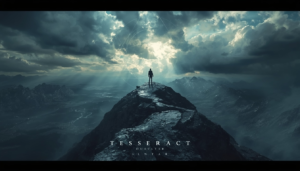
TesseracT Juno Lyrics Meaning explores hope, perseverance, and the search for purpose, revealing how personal growth often begins when we embrace uncertainty and continue moving forward despite the unknown.
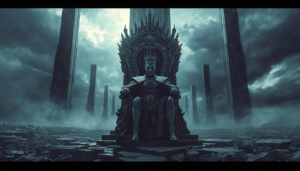
TesseracT King Lyrics Meaning explores the dangers of pride and self-deception, revealing how genuine strength and personal growth often emerge through humility, self-awareness, and honest reflection.
TesseracT Survival Lyrics Meaning explores perseverance, self-belief, and resilience, revealing how personal growth often emerges from the determination to overcome fear, doubt, and adversity.
TesseracT Of Matter Lyrics Meaning explores identity, transformation, and self-discovery through a powerful three-part journey, revealing how personal growth often begins with honest self-reflection and resilience.
Muse Knights of Cydonia Lyrics Meaning explores freedom, courage, and resistance through a thrilling blend of science-fiction imagery and heroic storytelling, encouraging listeners to become the heroes of their own journey.
Cosmic Love feels like standing in the dark just as the stars come on — a moment where wonder and uncertainty collide, and love reveals itself as something vast, luminous, and impossible to fully grasp.
Dog Days Are Over doesn’t wait for permission — it breaks into motion. With pounding rhythm and breathless urgency, Florence Welch turns the end of endurance into a moment of unstoppable release.
Shake It Out feels like a breath taken after holding one for too long — a song that doesn’t deny the weight of the past, but gently insists you don’t have to keep carrying it forward.
Few songs capture longing and emotional truth quite like “Nights in White Satin.” In this deep dive into the Moody Blues Nights in White Satin Lyrics Meaning, we explore the song’s timeless blend of orchestral beauty, poetic melancholy, and youthful vulnerability — a masterpiece that continues to resonate across generations.