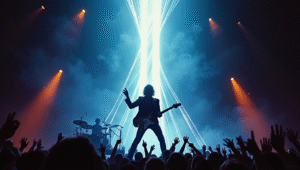
Protest Songs
Protest Songs are a powerful form of musical expression that use lyrics, rhythm, and storytelling to challenge injustice, question authority, and inspire social change. Throughout history, protest songs have served as the soundtrack to political movements, civil rights struggles, and cultural revolutions. By combining music with a message, Protest Songs give a voice to communities, activists, and artists who wish to highlight issues affecting society.
The history of Protest Songs stretches back centuries. Folk traditions in Europe and North America often carried political messages, with singers using simple melodies and memorable lyrics to spread ideas among ordinary people. These early protest songs addressed themes such as workers’ rights, poverty, and political reform.
The modern era of Protest Songs became especially prominent during the twentieth century. In the United States, the folk revival of the 1950s and 1960s produced some of the most influential protest music ever recorded. Artists such as Bob Dylan, Joan Baez, and Pete Seeger used their songs to support civil rights movements and oppose war. Their music proved that a guitar and a voice could influence public opinion as effectively as speeches or newspapers.
Over time, Protest Songs expanded beyond folk music into many genres. Rock, hip-hop, reggae, and punk artists have all embraced the tradition of speaking truth through music. For example, reggae icon Bob Marley wrote songs addressing social injustice and unity, while hip-hop groups like Public Enemy used powerful lyrics to confront systemic inequality.
The strength of Protest Songs lies in their emotional impact. Music can transform complex political ideas into memorable phrases and melodies that people carry with them. A protest song can unite crowds, encourage discussion, and give listeners the courage to question the status quo.
Today, Protest Songs remain a vital part of global music culture. From folk ballads to modern rap anthems, artists continue to use music as a platform to highlight injustice, demand change, and inspire hope for a better future.
The Nicki Minaj Trollz Lyrics Meaning reveals a bold response to internet criticism, transforming negativity and online trolling into a confident declaration of resilience, success, and unapologetic self-expression.
Paint The Town Red turns defiance into confidence, using bold imagery and a steady groove to show what happens when self-belief no longer depends on approval. Beneath the attitude lies a calm assurance — visibility chosen freely, and criticism left without a voice.
“God’s Plan” isn’t a victory lap or a sermon — it’s Drake quietly reframing pressure, success, and opposition into purpose, resilience, and emotional control.
In Turn to Stone, Joe Walsh channels political frustration and personal resolve into a fierce anthem of resistance and endurance.
Lost in a Lost World finds The Moody Blues confronting human confusion, fear, and the fragile hope that awareness can still lead to change.
The Who Won’t Get Fooled Again Lyrics Meaning” uncovers the song’s powerful blend of rebellion, awareness and hard-earned wisdom. As the thunderous finale of Who’s Next, it captures the moment when frustration transforms into clarity — a defiant promise not to repeat past mistakes.